
Public Education and Outreach
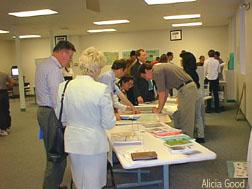
A public education and outreach program helps to promote a greater awareness within the community regarding the importance of minimizing storm water impacts as well as the personal responsibilities expected of them. Public support is especially important for the program when operators of small MS4s attempt to institute new funding initiatives for the program or seek volunteers to help implement the program.
To meet the requirements of this minimum control measure, the operator of a regulated small MS4 will need to at a minimum:
- Implement a public education program to distribute educational materials in the community or conduct equivalent outreach activities regarding impacts and pollution prevention; and
- Determine appropriate best management practices (BMPs) and measurable goals for this minimum control measure.
Recommendations for developing a successful public education and outreach program:
- Forming partnerships - operators of regulated small MS4s are encouraged to enter into partnerships with other governmental or nongovernmental entities, as many may already have educational materials and perform outreach activities.
- Use materials provided by others - operators of regulated small MS4s may use storm water educational materials provided by other entities instead of developing their own materials. Operators should strive to tailor their program materials to address local situations and issues.
- Reach diverse audiences - operators of small MS4s should seek to address the viewpoints or concerns of a variety of audiences and communities, including minority and disadvantaged communities, as well as children. Directing materials or outreach programs toward specific groups of commercial, industrial, and institutional entities that may have significant storm water impacts is also recommended.
There are a variety of BMPs that could be incorporated into the program, such as:
- Brochures or fact sheet - educating the general public or specific audiences about storm water related pollution and the importance of proper storm water practices;
- Recreational guides - to educate groups such as golfers, hikers, paddlers, windsurfers, climbers, fisherman, and campers about storm water related pollution and the importance of proper storm water practices;
- Alternative information sources - such as web sites, bump stickers, refrigerator magnets, and posters for bus stops; A library of educational materials - for community and school groups;
- Volunteer citizen educators - staff for a public education task force to educate the general public or specific audiences about storm water related pollution and the importance of proper storm water practices;
- Event participation - with educational displays at home shows, community festivals, libraries and other public buildings educating the general public or specific audiences about storm water related pollution and the importance of proper storm water practices;
- Educational programs - for school-age children educating them on storm water related pollution and the what they can do to help; Economic incentives - to citizens and businesses (e.g., rebates to homeowners purchasing mulching lawnmowers or biodegradable lawn products; and
- Tributary signage- to increase public awareness of local water resources.
Additional Resources