
Public Involvement & Participation
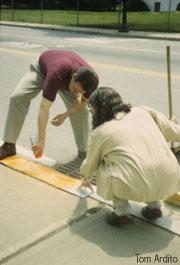
Successful programs allow for the public to play an active role in both the development and implementation of the program. An active and involved community allows for: broader public support of the program, a broader base of expertise, shorter implementation schedules due to fewer obstacles in the form of public and legal challenges, as well as economic benefits since the community can be a valuable and free intellectual resource.
To meet the requirements of this minimum control measure, the operator of a regulated small MS4 will need to at a minimum:
- Comply with applicable State and local public notice requirements; and
- Determine appropriate best management practices (BMPs) and measurable goals for this minimum control measure.
Recommendations for developing a successful public participation/involvement program:
- Operators of regulated small MS4s should provide opportunities for the public to participate in developing, implementing, and reviewing their storm water management program.
There are a variety of BMPs that could be incorporated into the program, such as:
- Public meetings/citizen panels - allow citizens to discuss various viewpoints and provide input concerning appropriate storm water management policies and BMPs;
- Volunteer water quality monitoring - getting citizens involved and educated on the quality of local water bodies as well as providing a cost-effective way of collecting water quality data;
- Volunteer educators/speakers - who can conduct workshops to train municipal officials as well as educate general public;
- Storm drain stenciling - creates an opportunity for concerned citizens to perform a simple but effective activity that can help reduce pollutants entering the collection system by raising public awareness;
- Community cleanups - cleaning up litter that may clog storm drains and cleaning up beach wrack composed of decaying vegetation such as eelgrass along local waterways and shorelines is another means of involving citizens in activities that have proven benefits to flooding and water quality;
- Citizen watch groups - concerned citizens can aid local enforcement authorities in the identification of polluters potentially through a "storm water pollution hotline" telephone service; and
- "Adopt a Storm Drain" programs - encourage individuals or groups to keep storm drains free of debris and to monitor dry weather flows from storm drains which may indicate suspect illicit discharges.
Additional Resources