
Illicit Discharge Detection and Elimination
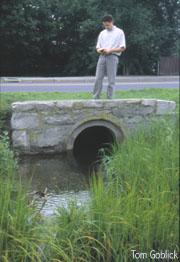
Illicit discharges enter the system through either direct connections (e.g., wastewater piping either mistakenly or deliberately connected to the storm drains) or indirect connections (e.g., infiltration into the MS4 from cracked sanitary systems, spills collected by drain outlets, or paint or used oil dumped directly into a drain). Pollutants levels from these illicit discharges have been shown in EPA studies to significantly degrade receiving water quality and threaten aquatic, wildlife, and human health.
To meet the requirements of this minimum control measure, the operator of a regulated small MS4 will need to at a minimum:
-
Develop a storm sewer map, showing the location of all outfalls and the names and location of all waters of the State that receive discharges from those outfalls;
- Develop ordinances or other regulatory mechanisms to prohibit non-storm water discharges into the MS4, and ensure program can take appropriate enforcement actions;
- Develop and implement a plan to detect and address non-storm water discharges, including illegal dumping into the MS4
- Educate public employees, businesses, and the general public about the hazards associated with illegal discharges and improper disposal of waste; and
- Determine appropriate best management practices (BMPs) and measurable goals for this minimum control measure.
Recommendations for developing a successful illicit discharge detection and elimination program:
- Develop a plan with procedures for locating priority problem areas, tracing the source of an illegal discharge, removing the source, program evaluation and assessment;
- Operators of small regulated MS4s are encouraged to require public reporting of illegal discharges when found; and
- Operators of small regulated MS4s are encouraged to develop outreach material such as mailings, targeted specifically at the hazards associated with illegal discharges and improper disposal of waste and perform storm drain stenciling